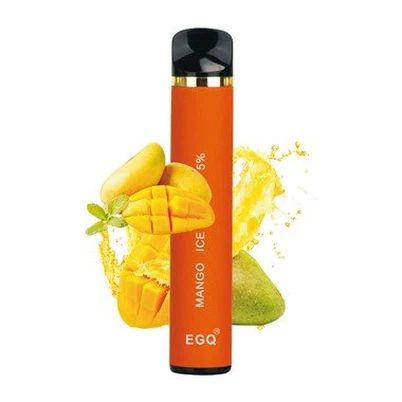
How to make your own vape oil?
Leave a message
Making THC vape oil at home is a risky process that can be dangerous if not done correctly. Based on your previous questions, it's important to clarify that what's often called "vape oil" for THC is typically a cannabis concentrate, not a simple mixture like nicotine vape juice.
Before considering any DIY process, you must understand the significant risks.
⚠️ Critical Warnings and Risks
Extreme Fire Hazard: The most effective home methods use high-proof ethanol, which is highly flammable. Improper evaporation can lead to fires or explosions.
Toxic Contaminants: Incomplete removal of the extraction solvent will leave you with a toxic product. This is a leading cause of severe lung injury from illicit vapes.
Unpredictable Potency: Home methods make consistent, safe dosing nearly impossible. The final product can be far stronger than expected.
Legal Consequences: Producing cannabis concentrates is illegal in many jurisdictions, often carrying heavier penalties than possession of flower.
🔬 Two Primary Home Methods Compared
If you are an adult in a legal area and decide to proceed after understanding these dangers, here are the two most common approaches:
| Method | Best For | Required Equipment & Safety Gear | Key Process Steps | Final Product & Use |
|---|---|---|---|---|
| Ethanol Extraction | Potency. Creates a strong concentrate suitable for vaping. | High-proof food-grade ethanol, double boiler, filters, glass jars. Essential: Fire extinguisher, gloves, eye protection, respirator, excellent ventilation. | 1. Decarboxylate cannabis (heat to activate THC). 2. Soak in ethanol, then filter. 3. Gently evaporate all ethanol using double boiler-no open flame. |
A potent "honey oil" concentrate. Can be viscous and difficult to work with in some vape pens. |
| Olive Oil Infusion | Safety & Simplicity. Much lower fire risk. | Olive oil, decarboxylated cannabis, double boiler/slow cooker, cheesecloth. | 1. Decarboxylate cannabis. 2. Combine with oil and heat gently for several hours (~160-200°F / 70-93°C). 3. Strain. |
Cannabis-infused cooking oil. Not suitable for vaping. Can only be used for edibles or topicals. |
💡 A Safer Alternative to DIY
Given the risks, a much safer and more practical approach is to:
Make a cannabis-infused oil using the simple olive oil method described above.
Use that oil to make homemade edibles, like THC gummies or brownies. This eliminates the dangers of inhalation, solvent use, and inconsistent dosing associated with homemade vape oil.
Ultimately, the safest way to obtain THC vape oil is to purchase lab-tested products from a licensed dispensary, as previously discussed. Their products undergo rigorous testing for potency and contaminants, which is impossible to replicate at home.
If your goal is to customize your experience, would you like more detailed information on making consistent and safely-dosed edibles at home?