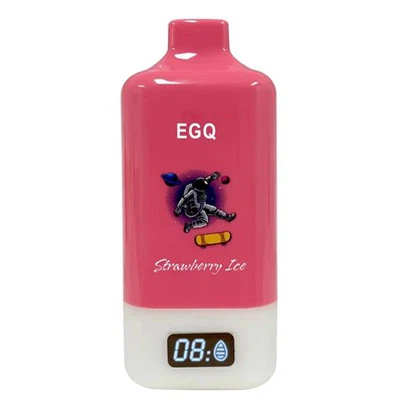
How does vaping work?
Leave a message
When we ask "How does vaping work?", we are actually asking about two aspects: how the device turns the liquid into smoke, and what this behavior does to your body.
In simple terms, vaping is a process where the device heats the e-liquid, turning it into aerosol, which is then inhaled into the lungs. The nicotine and other components in the e-liquid enter the bloodstream through the lungs. This entire process does not involve combustion.
This can be broken down into four consecutive steps:
1️⃣ Triggering the start (inhaling action)
When you inhale through the mouthpiece, the device generates an airflow change. The built-in airflow sensor immediately detects it and sends a signal. The "brain" of the device - the control chip - then conducts the battery circuit and initiates the heating. Some earlier or manual devices require you to press a ignition button to trigger.
2️⃣ Core vaporization (liquid turns into vapor)
This is the most crucial physical conversion process:
Transporting the e-liquid: The e-liquid in the reservoir is continuously transported to the heating wire surface through the wicking material (such as cotton or ceramic core).
Instant heating: When current passes through the heating wire (resistance wire), heat is generated (similar to an electric heating wire). The heating wire rapidly heats up, providing sufficient "vaporization heat" to the heated e-liquid, causing it to evaporate from liquid to gas in a short time, forming tiny vapor particles, which we inhale as "aerosol".
3️⃣ Inhalation and transmission (steam enters the lungs)
Your continuous inhalation generates an airflow, which carries the newly formed aerosol and passes through the device's intake and airways, eventually entering your mouth and respiratory tract, reaching the lungs.
4️⃣ Absorption and excretion (acting on the body)
Absorption: The nicotine and other components in the aerosol are quickly absorbed into the bloodstream through the vast capillary network in the lungs, usually reaching the brain within seconds to tens of seconds, generating a sense of satisfaction.
Exhalation: The unabsorbed propylene glycol (PG), vegetable glycerin (VG), and fragrances in the aerosol are exhaled with your breath, forming the "smoke" cloud we see.
Overall, vaping is essentially a physical vaporization process triggered by your inhalation action and driven by electrical heating. The most fundamental difference from traditional cigarettes is that cigarettes involve burning tobacco (producing thousands of chemical substances, including tar and carbon monoxide), while vaping involves heating the e-liquid (mainly consisting of PG, VG, fragrances, and nicotine).
However, it should be noted that although vaping avoids some harmful substances produced by combustion, the aerosol inhaled still contains some potential harmful components (such as heavy metals, ultrafine particles, etc.), and its long-term health effects are still under scientific research. Additionally, China has strict regulations on electronic cigarettes, prohibiting the sale of flavored products except for tobacco flavors.