How does e-liquid work in a vape?
Leave a message
The e-liquid in a vape pen goes through a well-defined physical process to turn into the aerosol you inhale. It's a self-contained cycle of wicking, heating, and vaporization, orchestrated by the device's key components.
🧪 The E-Liquid Recipe
To understand how the liquid works, it helps to know its base ingredients:
Propylene Glycol (PG) is a colorless, thin liquid that serves as a primary base. It's an excellent flavor carrier and is known for providing the "throat hit" that feels similar to a traditional cigarette.
Vegetable Glycerin (VG) is a thicker, sweeter liquid derived from vegetable oils. It's primarily responsible for producing the large, dense vapor clouds.
Nicotine (Optional) is an addictive chemical and the main reason many people use these products.
Flavorings are a blend of natural and artificial compounds that create the specific tastes of e-liquids.
The PG/VG ratio is a key specification. A 50/50 blend offers a balanced experience with decent flavor and vapor, suitable for most devices. High-PG blends (like 70/30) provide a stronger throat hit and more intense flavor but produce less vapor. High-VG blends (like 30/70 or 20/80) are designed for large, dense vapor clouds and a smoother hit, often requiring a more powerful device.
⚙️ The Components and the Vaporization Cycle
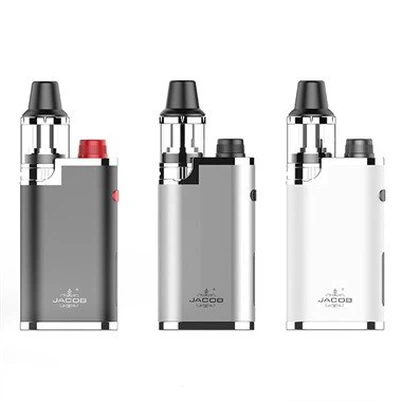
A vape device has four main components that work together to turn the liquid into vapor. This is a cycle of absorption, energy transfer, vaporization, and aerosol transport.
The Reservoir: This is the tank or pod that holds the e-liquid.
The Wick: A porous material (usually cotton) extends from the reservoir into the atomizer. Through capillary action, it continuously soaks up the e-liquid and draws it toward the heating coil.
The Coil: A metal coil (often Kanthal, NiChrome, or Stainless Steel) wraps around the wick. When the device is turned on, the battery sends electrical current through this coil, and its inherent electrical resistance causes it to heat up extremely quickly.
The Atomization Event: The heat from the coil is transferred to the saturated wick, instantly raising the temperature of the thin film of e-liquid to its boiling point. This rapid phase change from liquid to gas is the "vaporization".
🔥 The Variables that Change the Vapor
The entire process is highly tunable, and users can change the experience by adjusting a few key variables:
Coil Resistance: Coil resistance, measured in ohms (Ω), determines how much electrical current can flow through the coil. A sub-ohm coil (less than 1.0Ω) allows high current, gets very hot quickly, and is often used for high-VG liquids to maximize vapor production.
Wattage (W) & Temperature: Wattage is the measure of power sent to the coil. Higher wattage means more heat, which produces more vapor and a hotter draw. Temperature Control (TC) is an advanced feature where the device monitors the coil's temperature and automatically adjusts wattage to maintain a set limit for a consistent experience.
The liquid composition also interacts with heat. For example, e-liquids with a higher PG ratio have been shown to transfer heat more efficiently for vaporization, which can help avoid overheating in some devices.
🫁 Nicotine Delivery and Absorption
When the aerosol (vapor) is inhaled, the nicotine enters the lungs, where it is rapidly absorbed into the bloodstream and then crosses the blood-brain barrier. The speed and efficiency of nicotine absorption can vary. For instance, devices using nicotine salts have been shown to achieve nicotine absorption equivalent to that of a traditional cigarette.
🔧 Troubleshooting: Common Issues
Sometimes, the cycle goes wrong, leading to issues. Here are a few common ones:
Dry Hit: This happens when the wick isn't saturated with enough e-liquid. The coil overheats, and you inhale burnt cotton vapor. This is often caused by using high-VG e-liquid in a device not designed for it.
Spitback: This occurs when the coil gets flooded, and un-vaporized e-liquid spits up through the mouthpiece. It can be caused by overfilling, a loose wick, or drawing too hard.
Leaking: E-liquid escapes from the tank. This can happen if the device is stored on its side, if the coil isn't screwed in properly, if the o-rings are damaged, or if the liquid is too thin for the device.
⚡ Battery Safety
The battery is the power source. Its specifications (like maximum current output) must be compatible with the coil's resistance. Using a low-resistance coil on a battery that can't handle the required current can cause the battery to overheat or fail dangerously.
The entire cycle-from e-liquid ingredients to power delivery and vaporization-is a carefully balanced system. Each variable directly affects the final vaping experience.