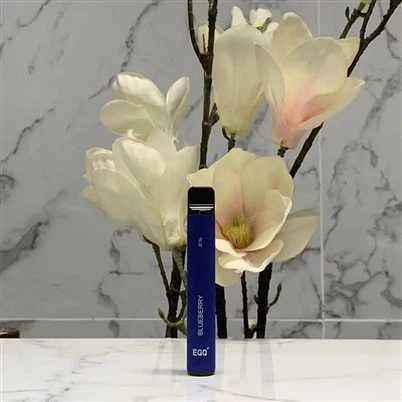
How do hotels know if you smoked or vaped in the room?
Leave a message
Hotels use a combination of advanced technology, manual inspections, and policy enforcement to detect smoking or vaping in rooms. Here's a breakdown of the key methods:
🔍 1. Specialized Air Quality Sensors
Multi-Sensor Detectors: Devices like the HALO Smart Sensor (used by over 10,000 organizations) use 12 integrated sensors to detect vaping chemicals, THC, and cigarette smoke. They analyze particulate matter (PM2.5), volatile organic compounds (VOCs), and temperature/humidity changes, sending real-time alerts to staff via SMS or email .
Vape-Specific Algorithms: Verkada's SV11 sensor calculates a "Vape Index" (1–100) by combining TVOC, PM2.5, and motion data. This helps distinguish vaping from cooking smoke or aerosols, reducing false alarms .
Laser Scattering Technology: Forensic Detectors' FD-VAPE-WALL uses PM2.5 laser sensors 100× more sensitive than standard smoke detectors. It detects ultrafine particles from e-cigarettes within 5 seconds .

👃 2. Chemical Residue and Odor Inspection
Housekeeping staff are trained to identify nicotine stains on walls, furniture, or curtains, as well as lingering odors in fabrics (e.g., bedding, carpets). Vaping leaves residue with toxins like aldehydes, which can damage surfaces and emit distinct smells .
Active Sampling Devices: Some detectors (e.g., HM-SMA300) use fans to pull air into the unit, analyzing it for smoke particles. This allows near-instant detection (<30 ms response time) .
📡 3. Wireless Networked Systems
Systems like RESDA's wireless detectors connect to a central host. When triggered, they display the room number on a dashboard, record violation times, and can activate external alarms or voice warnings (e.g., "This is a non-smoking area!") .
Integration with Building Management: Hotels link detectors to HVAC or security systems. For example, HALO can shut off ventilation to contain smoke and alert staff to investigate .
🛠️ 4. Placement and Installation Strategies
Detectors are installed in high-risk areas: bathrooms, near beds, or hallways (8–12 ft ceilings). Placement avoids vents/fans to prevent airflow dilution .
Privacy Compliance: Devices like HALO explicitly avoid cameras/audio recording to comply with privacy laws, relying solely on chemical/particle sensors .
⚠️ 5. Consequences for Violations
Guests face cleaning fees ($200–$500) for residue removal, eviction without refund, or bans from the hotel chain. Fees compensate for deep cleaning, ozone treatments, or replacing damaged items like curtains .
Data Evidence: Timestamped alerts from sensors provide proof for disputes, showing exact violation times .
💡 Key Limitations
False Alarms: Cooking smoke, aerosols, or high humidity can trigger sensors, though algorithms increasingly filter these out .
Evasion Attempts: Guests may vape in bathrooms (where detectors are now common) or use "smoke buddy" filters, but newer sensors counter this with higher sensitivity .
In summary, hotels combine IoT sensors (detecting chemical signatures), networked alerts, and trained inspections to enforce no-smoking policies. Investment in these technologies has surged due to health risks, property damage, and revenue loss from room downtime .