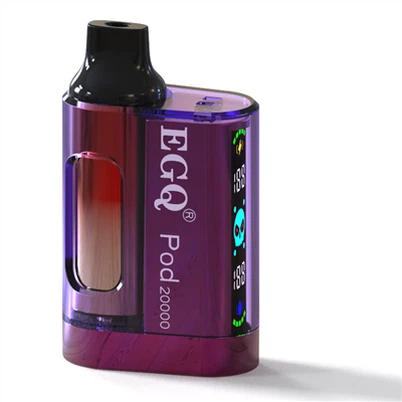
Herbal vape
Leave a message
The term "Herbal vape" currently on the market typically refers to vaping products that claim to be "herbal", "traditional Chinese medicine", or "plant-based". They are almost identical in appearance and usage method to electronic cigarettes, but in China, most of these products fall under the category of "unauthorized mask electronic cigarettes".
Here are some ways to understand it:
What is a "herbal vaporizer"?
The core feature of these products is "the same formula, different presentation":
The working principle is exactly the same: they all generate aerosol (i.e., "smoke") through the heating of liquid by a battery for inhalation by the user.
The appearance design is almost identical: they are almost indistinguishable from popular electronic cigarette pens, disposable small cigarettes, etc. on the market.
Attracting users with fruit flavors: They offer various fruit flavors such as strawberry, watermelon, and mint to circumvent the Chinese ban on flavored electronic cigarettes except for tobacco flavors.
Marketing language evades regulation: Merchants usually claim that the product is "not an electronic cigarette", "zero nicotine, zero tar, zero harm", "food and medicine are the same", or "healthy and harmless", attempting to package it as a "plant beverage" or "health product".
⚖️ Regulatory status: Why is it illegal?
In China, these "herbal vaporizers" are basically in an unregulated state:
Clearly included in electronic cigarette regulation: According to relevant regulations, devices that can be vaporized for inhalation without nicotine are also classified as electronic cigarettes. The authorities have clearly stated that such products should be managed like electronic cigarettes.
Online sales are prohibited: Electronic cigarettes are only allowed to be sold on unified trading management platforms and are strictly prohibited from being sold on online platforms such as e-commerce websites and social media.
Flavored electronic cigarettes are banned: Flavored electronic cigarettes other than tobacco flavors are prohibited. Therefore, any "herbal vaporizer" with non-tobacco flavors such as fruits is considered an illegal product.
Incompliant production and sales: Most of these products are produced by small workshops without qualifications and sold through non-regular channels such as online or offline stalls, and their so-called "medical device" qualifications are often misleading and borderline.
How does it operate?
These devices are typically divided into two types:
Liquid vaporization: This is the most common form on the market. The device heats the liquid "vaporizer liquid", which is usually made of plant extracts, edible glycerin (VG), propylene glycol (PG), and edible flavors, etc.
Dry herb heating: The other type is a dry herb vaporizer (Dry Herb Vaporizer), which directly heats dry plant materials (such as tobacco, CBD flower leaves, etc.) to a certain temperature to make the effective components evaporate into vapor.
⚠️ Potential health risks
Although the merchants claim "healthy and harmless", the health risks of these products cannot be ignored:
Unclear ingredients, huge potential dangers: The specific ingredients of the product are not disclosed, and many are produced by small workshops, which may add harmful substances illegally.
May contain harmful substances: The aerosol generated by heating may contain reactive oxygen, DNA-damaging substances, etc. harmful substances.
Clear cases of disease: Medical reports have pointed out that the use of herbal vaporizers is related to vaping-related lung injury (EVALI), including rare diseases such as diffuse alveolar hemorrhage (DAH), etc.
Long-term safety unknown: Long-term inhalation of these components poses unknown risks to the respiratory system and brain, especially for teenagers who are still developing, and the safety of these products has not been scientifically evaluated.
May become an "entry-level cigarette": These products market themselves as "safe" and can easily lower teenagers' psychological barriers, inducing them to try and eventually turn to traditional cigarettes.
Summary
In summary, in the Chinese market context, "Herbal vape" (a type of herbal electronic cigarette) is largely a "new guise" for illegal electronic cigarettes. It uses concepts such as "herbal" and "health" for marketing purposes, in an attempt to evade the strict regulations imposed by the state on electronic cigarettes. However, it has significant issues such as unclear ingredients, health risks, and regulatory gaps. From both a legal and health perspective, caution should be exercised.