Is there a vape juice with no harmful chemicals?
Leave a message
🔬 1. Nicotine Salts Without Benzoic Acid
Innovation: Traditional nicotine salts use benzoic acid for smoother throat hits, but its thermal breakdown may produce harmful byproducts. Brands like V'ape (France) now use lactic acid instead, eliminating this risk.
Evidence: Lactic acid occurs naturally in the body and has a lower risk profile when vaporized. V'ape offers nicotine levels of 10mg, 15mg, and 20mg in tobacco/fruit flavors.
🌿 2. High-Purity PG/VG Bases
Safety Status: Both propylene glycol (PG) and vegetable glycerin (VG) are FDA-designated "Generally Recognized as Safe" (GRAS) for ingestion. While inhalation safety data is limited, studies show:
No carcinogenic or genotoxic effects in rats exposed to VG aerosols.
Limited biological impact in 90-day PG/VG inhalation trials.
Risk Mitigation:
Avoid Overheating: Poorly regulated devices can thermally degrade VG/PG into aldehydes (e.g., formaldehyde). Use modern devices with temperature control and replace coils regularly.
Allergies: <1% of users report PG sensitivity (throat irritation). Opt for high-VG blends (e.g., 70% VG) if affected.
� 3. Simplified or Unflavored E-Liquids
Flavor Risks: Many flavor compounds (e.g., diacetyl, cinnamaldehyde) are safe to eat but may irritate lungs when vaporized. Lychee, mint, and tobacco flavors often use fewer complex compounds.
Safest Options:
Unflavored Nicotine Bases: Products like Aquavape Nic Juice (70% VG, 30% PG, 18mg/ml nicotine) contain only PG, VG, and pharmaceutical-grade nicotine.
Natural Terpenes: Some CBD vapes use cannabis-derived terpenes instead of synthetic flavors, reducing unknown risks.
⚙️ 4. Device Quality Matters
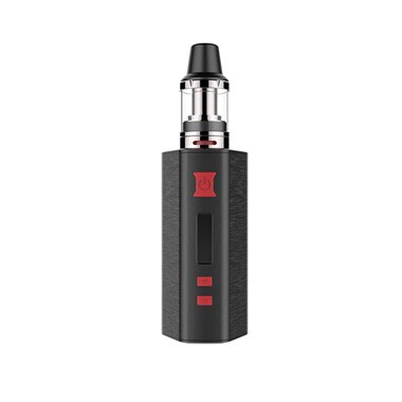
Low-quality devices increase chemical risks through poor temperature control. Prioritize:
EU/UK-compliant devices (mandatory emissions testing).
Pod systems for low-wattage vaping (reduces thermal degradation).
🧪 5. CBD Vapes: Caution Required
Benefits: Fast-acting CBD absorption without nicotine or tar.
Risks: Some CBD juices contained toxic thinning agents (e.g., vitamin E acetate). Choose products that:
Use 100% cannabis-derived terpenes.
Are THC-free and third-party tested for solvents/metals (e.g., MamaMary's lab-verified cartridges).
📊 Key Components & Risk Comparison
| Component | Low-Risk Options | Potential Concerns | Mitigation Strategies |
|---|---|---|---|
| Nicotine Salt | Lactic acid-based salts (V'ape) | Benzoic acid degradation | Avoid high-power devices |
| Base Liquids | USP-grade VG/PG (99.7% pure) | Overheating → aldehydes | Regular coil changes, temp control |
| Flavors | Unflavored, natural terpenes | Synthetic compounds (diacetyl) | Choose simple fruit/tobacco profiles |
| CBD Additives | Lab-tested, THC-free | Contaminants (vitamin E acetate) | Verify third-party lab reports |
💡 Practical Recommendations
For Smokers Transitioning: Try V'ape's lactic-acid nicotine salts (15mg) in a low-wattage pod device.
Flavor-Sensitive Users: Use unflavored bases like Aquavape Nic Juice or high-VG blends with single-note flavors (e.g., lychee).
CBD Users: Select brands with transparent lab reports (e.g., MamaMary's THC-free cartridges).
Key Insight: "Harm reduction" in vaping hinges on avoiding combustion byproducts (e.g., tar, carbon monoxide) found in cigarettes. While vaping isn't risk-free, opting for simpler formulations, trusted brands, and modern devices minimizes exposure to avoidable toxins124. Always verify ingredients and prioritize products with clear safety certifications.