Identifying Real vs. Fake THC Vape Cartridges
Leave a message
To distinguish between real and fake THC vape cartridges, consider the following key factors based on general principles of product authentication, legal compliance, and safety standards derived from related contexts:
1. Packaging and Labeling
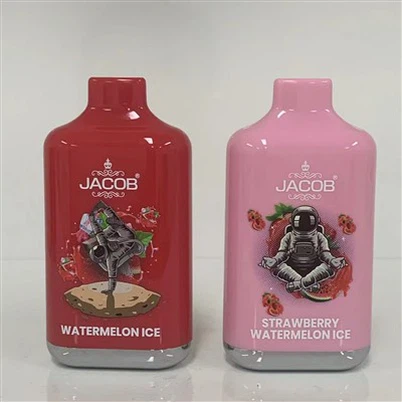
Legibility and Precision: Authentic products typically feature crisp, high-quality printing with consistent colors and clear text. Fake cartridges often have blurred logos, mismatched fonts, or spelling errors .
Security Features: Look for holograms, QR codes, or batch numbers that link to manufacturer verification systems. For example, legitimate delta-8 THC products may include scannable codes to confirm THC content (e.g., <0.3% delta-9 THC) .
Tamper-Evident Seals: Genuine cartridges are sealed with industrial-grade materials, while counterfeit ones may use flimsy or improperly adhered packaging .
2. Product Composition
THC Content: Verify compliance with legal thresholds (e.g., delta-9 THC ≤0.3% in the U.S. under the 2018 Farm Bill). Illegitimate products may contain unregulated synthetic cannabinoids or higher THC levels .
Oil Consistency and Color: Authentic THC oil is typically golden-amber and free of particulates. Fake cartridges may contain dark, cloudy, or overly viscous oil due to additives like vitamin E acetate or cutting agents .
Odor and Taste: Real THC oil has a natural, earthy aroma, while counterfeit versions might emit chemical or artificial flavors due to low-quality terpenes or contaminants .
3. Hardware Quality
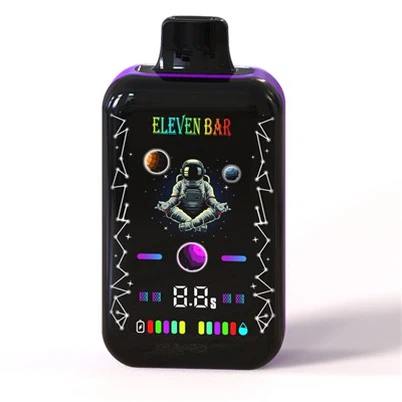
Cartridge Construction: Genuine cartridges use medical-grade materials (e.g., ceramic coils) to prevent leaching. Counterfeits often employ cheap metals or plastics that can degrade and release toxins .
Leakage and Airflow: Authentic carts are tightly sealed with consistent airflow. Fakes may leak oil or produce uneven vapor due to poor manufacturing .
4. Legal and Regulatory Compliance
Source Verification: Purchase from licensed dispensaries or authorized retailers. Illicit products often bypass testing for pesticides, heavy metals, or microbial contaminants .
Lab Testing: Legitimate brands provide Certificates of Analysis (COAs) from third-party labs confirming potency and purity. Counterfeit products lack verifiable test results .
5. Price and Distribution
Suspiciously Low Pricing: Fake cartridges are often sold at steep discounts due to substandard ingredients. Authentic products reflect the cost of compliance and quality control .
Unauthorized Retailers: Avoid unverified online sellers or social media vendors, as these are common channels for counterfeit goods .
Key Risks of Fake THC Carts
Health Hazards: Counterfeit products may contain harmful additives like vitamin E acetate (linked to lung injuries) or synthetic cannabinoids .
Legal Exposure: Unregulated products might violate local laws, leading to legal consequences .
For further details, refer to authoritative sources like regulatory guidelines or lab-tested brand documentation. Always prioritize safety by purchasing from trusted providers.