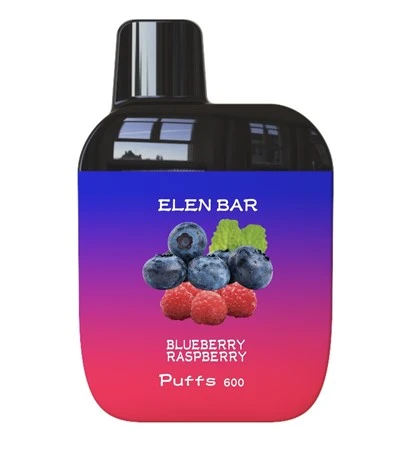
Delta 8 vapes
Leave a message
Delta-8 THC (abbreviated as Delta-8) is a psychoactive substance extracted or synthesized from industrial hemp. It is often available in the form of e-cigarette cartridges (Cart) or disposable devices. Due to its ability to produce a "softer" sensation than the main component of traditional marijuana, Delta-9 THC, it is also known as "lightweight marijuana" or "marijuana light food".
?? Delta-8 THC vs. Delta-9 THC: Key Differences
The molecular structures of Delta-8 THC and Delta-9 THC are very similar, with only a minor difference in the position of the chemical bonds. However, this subtle difference results in completely different effects:
Properties Delta-8 THC Delta-9 THC
Source and Preparation Occur at extremely low levels (less than 1%), mainly obtained through chemical synthesis (isomerization) of CBD to Delta-8. Abundant naturally in cannabis plants, can be directly extracted.
Psychological Activity Exists, but with milder effects. Exists, with strong effects, being the main component that causes "high".
Main Effects Relaxing and calming, producing a slight sense of pleasure, with less anxiety. Produces a strong euphoric sensation, but may also trigger anxiety or paranoia.
Efficacy The user reports its efficacy to be approximately half that of Delta-9. More potent.
?? Product, Experience and Risks
Product Form: The most common Delta-8 e-cigarette products are pre-filled 510-thread cartridges that need to be used with a universal battery; there are also disposable e-cigarettes. The e-liquid is usually a distillate and is flavored with terpenes to mimic the taste of specific cannabis varieties.
Experience and dosage: Users describe the effect as a "light and refreshing sensation" that makes the mind clear and the body not heavy. Due to the varying potency of the product, it is recommended to start by inhaling in small amounts, waiting for 5-10 minutes to feel the effect before deciding whether to continue.
Health risks: This is the most crucial aspect. Due to the lack of regulation, Delta-8 products carry significant risks:
Production process risks: The commercially available Delta-8 is mostly produced through chemical synthesis. If the purification is not thorough, the product may contain unknown by-products, reaction residues, and solvents. Chemists warn consumers that they are acting as "guinea pigs".
Known side effects: The US Poison Control Center has received numerous reports of poisoning incidents related to this substance. The symptoms include: drowsiness, vomiting, confusion, hallucinations, loss of coordination; in severe cases, there may be changes in heart rate, low blood pressure, breathing difficulties, and even coma.
Impact on the lungs: The latest research indicates that inhaling the aerosol produced by Delta-8 can damage the ciliary function of the respiratory tract, potentially disrupting the lung's defense mechanisms and leading to chronic airway damage.
Risks for teenagers: Due to the attractive packaging (such as bright colors and cartoon characters), Delta-8 products are highly appealing to teenagers and children, thereby increasing the risks of accidental ingestion and abuse.
⚖️ Law and Testing
Legal Status: This is the core of Delta-8's popularity in the United States, known as a "legal loophole". It takes advantage of the 2018 Agricultural Act, allowing the product to be legal at the federal level as long as it comes from industrial hemp and the Delta-9 THC content is below 0.3% by dry weight.
It should be noted that this "gap" may be closed soon. A new law that takes effect in November 2026 will make most of these products illegal again. At the same time, the US DEA (Drug Enforcement Administration) regards it as a first-class controlled substance (Schedule 1), and some states have independently imposed restrictions or bans on it.
Drug testing: Yes. After Delta-8 THC is metabolized in the body, it produces the same metabolites as Delta-9 THC, which may result in a positive drug test result.
?? Summary
In conclusion, Delta-8 THC e-cigarettes are in a gray area. They offer a milder psychoactive experience compared to traditional cannabis, but their production process is opaque, lacks regulation, and comes with clear health risks (from side effects to lung damage). Given that their legal status is about to undergo a major change, it is not recommended to use them before understanding and weighing all these risks.