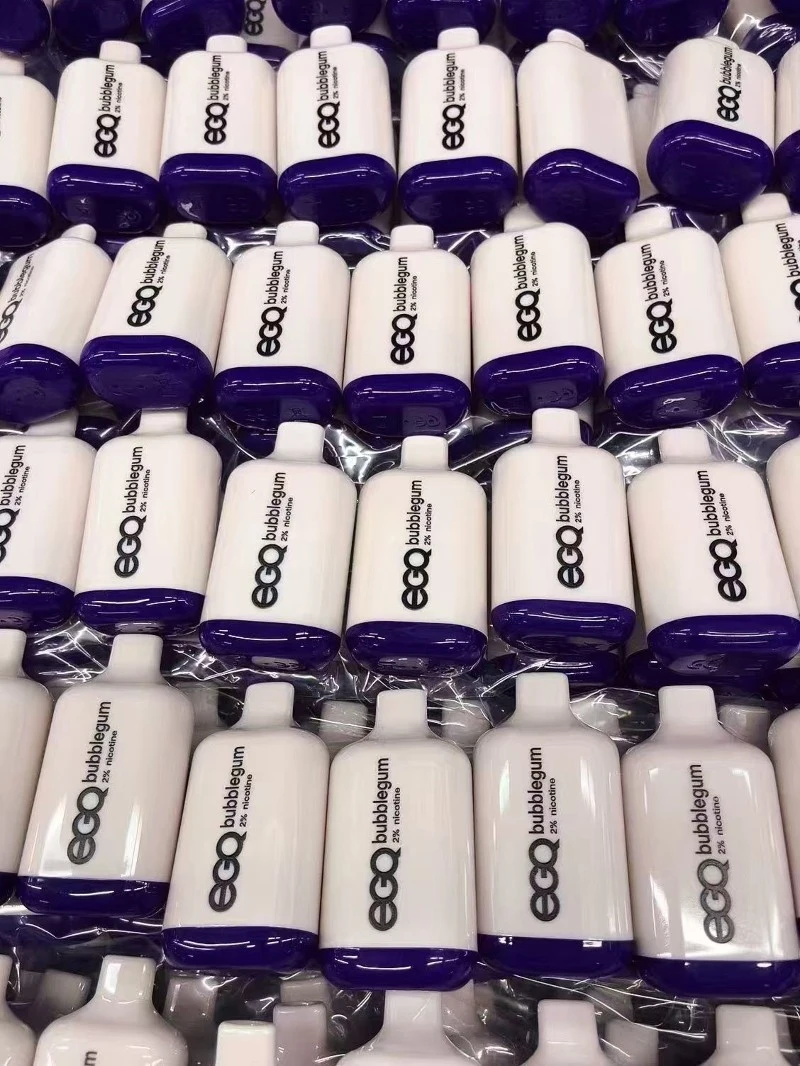
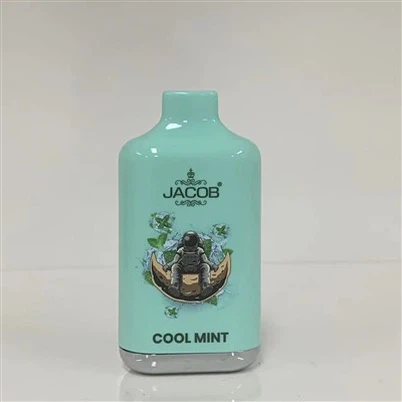
Cigarette vape
Leave a message
"Cigarette vape" is not a strictly academic term but rather a vague everyday expression. It typically refers to two distinct products: electronic cigarettes that resemble traditional cigarettes in appearance or experience, or "heat-not-burn" products that use real tobacco but generate aerosol through heating rather than combustion.
What could it mean?
Depending on the context, "cigarette vape" could refer to one of the following two types of products:
Cig-a-like electronic cigarettes: This is the most literal interpretation. It refers to those electronic cigarettes with designs resembling traditional cigarettes, usually using nicotine-containing e-liquid, and generating vapor through battery heating. The core is the liquid e-liquid, which does not contain tobacco.
Heat-Not-Burn tobacco products: These products are often mistakenly called "vape", but they are fundamentally different. They use real tobacco (usually made into cartridges or sticks), and through the device, heat the tobacco to release nicotine-containing aerosol at a lower temperature rather than burning and smoking. Products like IQOS fall into this category.
⚖️ Key differences: Comparison with common "electronic cigarettes" (Vape/E-cigarette) and "traditional cigarettes" (Combustible Cigarette)
To clarify the meaning of "cigarette vape", it is crucial to understand the fundamental differences between it and more common "electronic cigarettes" (Vape/E-cigarette) and "traditional cigarettes" (Combustible Cigarette).
Common electronic cigarettes (Vape/E-cigarette)
Core principle: Heating liquid e-liquid (usually containing nicotine, propylene glycol, glycerin, and flavoring) to produce aerosol.
Does not contain tobacco: No tobacco, nicotine is usually extracted from tobacco, but the product itself has no tobacco leaves.
Inhaled substance: Aerosol (often mistaken for "steam"), without tar, carbon monoxide (as there is no combustion).
Taste and experience: Various flavors (fruits, desserts, etc.), a relatively mild throat hit, inhalation is usually done for a long time and gently.
Traditional cigarettes (Combustible Cigarette)
Core principle: Burning tobacco to produce smoke.
Contains tobacco: Yes, the main components are tobacco leaves.
Inhaled substance: Smoke, containing tar, carbon monoxide, and thousands of chemical substances.
Taste and experience: Strong tobacco/mint flavor, a strong throat hit, intense and persistent odor, inhalation is done quickly and briefly.
Heat-Not-Burn products
Core principle: Heating real tobacco (not burning) to a lower temperature to produce aerosol.
Contains tobacco: Yes, using actual tobacco leaves made into cartridges/sticks.
Inhaled substance: Aerosol, no ash (dust), the harmful substances level is usually lower than that of cigarette smoke, but not completely harmless.
Taste and experience: More similar to the taste of real tobacco, aiming to simulate the smoking experience, but still differs from a truly burning cigarette.
⚠️ What are the core health risks regardless of the form?
Regardless of the form, what are the core health risks?
Nicotine is harmful, and the aerosol itself is not harmless water vapor.
Nicotine addiction and systemic harm: Nicotine is highly addictive and directly affects the brain and cardiovascular system, causing elevated blood pressure, vascular damage, and increased heart rate. For teenagers, nicotine also harms brain development and may cause anxiety, depression and other mental health problems.
Toxic substances in aerosol: Electronic cigarette aerosol is not just water. Studies show that it may contain heavy metals (such as lead, nickel, cadmium), and carcinogenic chemicals (such as acetaldehyde, formaldehyde). Furthermore, certain spices (such as diacetyl) are associated with severe lung diseases (obstructive bronchiolitis, commonly known as "popcorn lung").
Risk of respiratory diseases: Multiple studies have linked the use of e-cigarettes to an increased risk of chronic obstructive pulmonary disease (COPD). The risk of using e-cigarettes in combination with traditional cigarettes (dual use) may be even higher.
Clear warnings: Even authorized heated non-combustible products are explicitly stated by the FDA as "there are no safe tobacco products". They may help adult smokers who have completely switched from traditional cigarettes to reduce risks, but all tobacco products lead to nicotine addiction and contain carcinogenic chemicals.
Regulatory status: The global trend is becoming increasingly strict
Global regulation of e-cigarettes and new tobacco products is tightening comprehensively.
China: Regulation is extremely strict. China has explicitly prohibited the production and sale of products such as mouth-holding cigarettes and nicotine pouches without permission, and implements a full-chain management of e-cigarettes, production, sales, and import. At the same time, many places (such as Shenzhen, Beijing) have included e-cigarettes in the smoking control regulations and restrict them in indoor public places in the same way as traditional cigarettes.
The United States: The FDA requires e-cigarette manufacturers to submit pre-market applications (PMTA) and undergo health risk assessments. At the same time, it prohibits sales to minors, and many unauthorized products still face legal risks on the market. The FDA also has a dedicated authorization and regulatory path for "heated non-combustible" products.
Global trend: Many countries (such as Denmark) have imposed strict restrictions on e-cigarettes, for example, allowing only tobacco or mint flavors, and setting an upper limit on nicotine concentration (such as 20mg/ml), and prohibiting flavors that attract young people such as fruits and candies. Each country is formulating more specific regulatory frameworks for different types of nicotine products.
Behind the vague label of "cigarette vape" lies products with various forms and principles. Regardless of their appearance or working principle, the addictive nature of nicotine and potential toxic substances in the aerosol are common health risks, and global regulation is moving towards treating them as equally strictly regulated as traditional tobacco.