CEO Interview | Head of US Compliance Company: PMTA review is accelerating, January 2025 will be a moment of change
Leave a message
CEO Interview | Head of US Compliance Company: PMTA review is accelerating, January 2025 will be a moment of change
In this interview, three international experts who are committed to helping e-cigarette products comply with regulations explained in detail the implementation process and current status of PMTA (pre-market application for tobacco products) in the US market. They emphasized that PMTA review is accelerating, and it is a critical time for Chinese companies to submit high-quality applications and strive for market share. January 2025 will be a moment of change.
Interview with three international compliance experts
Full analysis of PMTA: Compliance trends and future patterns in the US market
Text | Two Supremes
Editor's note: The US market is the world's largest e-cigarette market and a "must-fight place" for major e-cigarette manufacturers.
According to the "2023 World Tobacco Development Report" published by the Oriental Tobacco News, in the US market, although the FDA (US Food and Drug Administration) requires e-cigarettes to submit PMTA (pre-market application for tobacco products) before listing, the number of PMTAs submitted is large, and the FDA has repeatedly delayed because it cannot complete the review on time. Currently, only 23 tobacco-flavored e-cigarettes are authorized for listing. The authorized products are not popular with mainstream users, and the unauthorized products have not been removed from the shelves.
On May 14, 2024, the FDA issued a regulatory science policy memorandum. In late June, the FDA Tobacco Products Center updated the compliance inspection results on its official website, further indicating that the PMTA process is accelerating optimization, which has once again made the issue of compliance the focus of the US e-cigarette market. Some industry experts predict that in the next two to three years, the US market will be completely dominated by compliant e-cigarette products. In other words, obtaining PMTA authorization is not only a "stepping stone" but also a "weather vane".
Which flavors will be banned? Which products will be easier to obtain authorization? Which manufacturers will gain more market share? A single move will affect the whole body. This wave of accelerated compliance in the US e-cigarette market may reshape the competitive landscape of the global e-cigarette market.
A competition about compliance and market share is accelerating, and the winner is very likely to become the leader of the future industry.
Recently, 2Firsts interviewed Tom Beaudet, CEO of Accorto, a US compliance company, CSO Dr. Vincent Angelico, and David Lawson, CEO of Inter Scientific. Experts deeply analyzed the FDA's regulatory measures, the impact of PMTA on the market and the current status of the US e-cigarette regulatory system, and put forward specific suggestions for Chinese companies. At the same time, experts highly recognized the guiding and promoting role played by the two supreme 2Firsts in the industry.
Experts believe that January 2025 will be a moment of major change. "Any company that hopes to enter the market in January 2025 must start submitting high-quality applications now, otherwise they may face a situation where they have no market share."
At the end of the interview, the experts added: "Big things are happening right now! (Big things are about to happen!)"

Two Firsts 2Firsts interviews three national compliance experts|Source: 2Firsts
Core ideas:
1. The FDA has begun to promote the review of excellent PMTA applications and is preparing to block all unapproved products to prevent them from entering the US market. It is predicted that there will be significant changes in the review and supervision of PMTA in 2025.
2. FDA's review of PMTA applications is still immature, and the review process and requirements are still changing. Therefore, PMTA has not yet brought a positive impetus to the US market. However, recent trends indicate that FDA's review requirements are gradually becoming clearer.
3. In terms of law enforcement, in addition to the FDA, the Bureau of Alcohol, Tobacco, Firearms, and Explosives (ATF), the U.S. Marshals Service, and the Postal Service are also involved in the investigation of illegal electronic products. Smoking enforcement action. These law enforcement agencies will focus on brands with larger market shares and review whether these brands attract minors.
4. The FDA's working model is to prioritize auditing large companies because they can provide more detailed data. Through the audit of large companies, we will continue to improve audit standards and processes. And large companies are also willing to participate, which will push their product standards to influence the standards of the entire industry.
5.2Firsts should leverage its influence in China and around the world to help companies better understand and fulfill compliance in the US market.
(The following is the transcript of the interview)
"For the first time, the FDA has approved a non-tobacco flavor, which is an important development."
2Firsts: Please briefly review the implementation process of PMTA in the field of e-cigarettes. What are the important time nodes? What stage of development is it currently at, and what are the key points that require special attention?
A: To date, the FDA has received approximately 20 million applications. This number fluctuates, but is generally within this range. According to statistics, the FDA received 6.7 million applications in just a few months since the first deadline in 2020.
Of all applications received, 99.9% are rejected. Only companies that have spent the time and money to develop very scientifically rigorous applications will advance to the review stage, and many of these applications are still awaiting a final decision. In fact, in 2022, the FDA had a second application deadline for synthetic nicotine, this time receiving millions of additional applications. Once again, more than 99% of applications were rejected. So, clearly, we think there are only a handful of companies that are trying to apply in the right way.
We understand that this process is very expensive and time-consuming to complete correctly, but for companies looking to operate in the U.S. market long-term, it is the only option. Recently, Dr. Brian King (Editor's note: Director of the FDA's Center for Tobacco Products) stated that they expect to complete the review of all applications before the end of the summer.
The biggest challenge facing the U.S. e-cigarette market is flavor disclosure. We know that most e-cigarettes are much safer than traditional cigarettes. The use of flavored products by underage users seems to be an important reason for many approval delays. Until recently, there was little progress on this issue. Just a few weeks ago, the FDA approved non-tobacco flavors for the first time, an important development. This shows that the FDA is finally ready to start reviewing products from companies that have submitted high-quality applications. But at the same time, the FDA's plan is to begin blocking all unapproved products from entering the U.S. market.
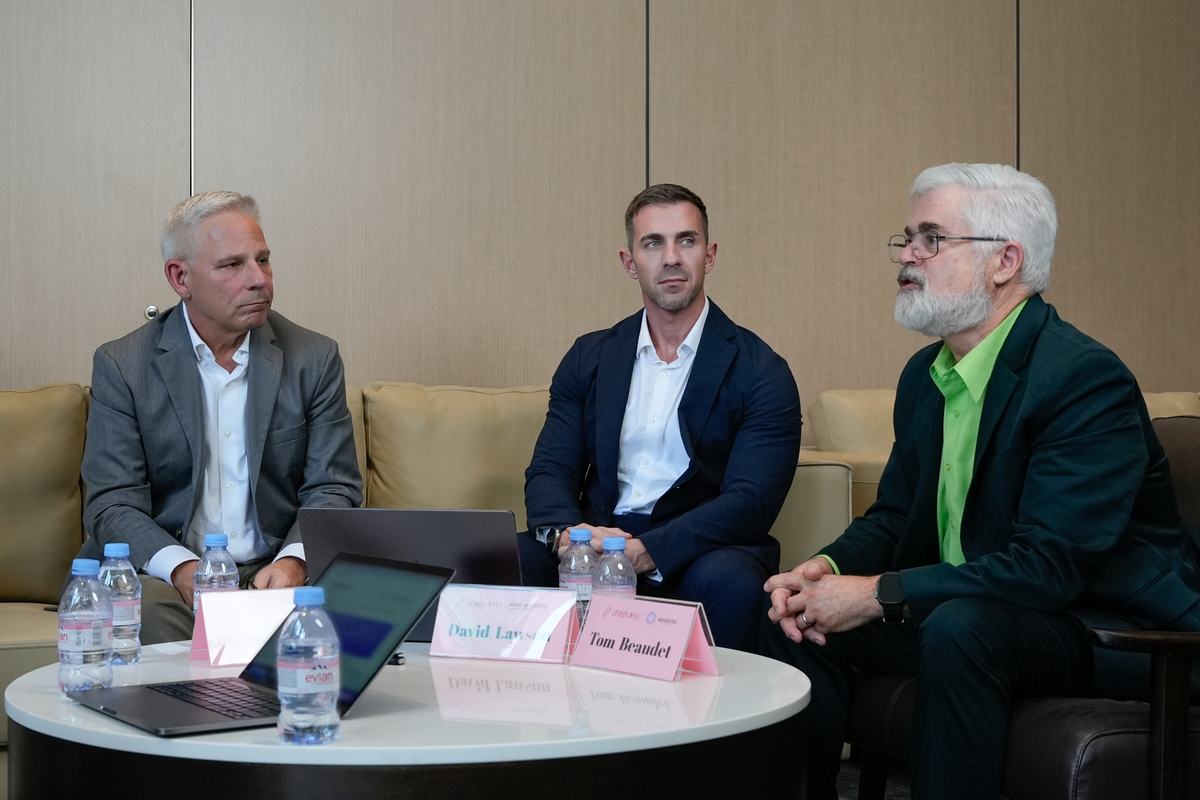
Three experts analyze the key points in the current review process | Source: 2Firsts
"It must be possible to prove the benefits of the product to public health."
Two Supremes 2Firsts: How do you evaluate the impact of PMTA on the US e-cigarette market. What positive effects have been brought about and what problems exist?
Answer: It is difficult to see the positive effects of PMTA at present because the whole process is still in a very early stage. When thinking about this issue, I think the first thing to emphasize is that although the United States has been implementing PMTA since 2016, the process is still in its early stages. Despite multiple inspections and strict regulatory implementation, it can be seen that the FDA is still immature in reviewing products, which is reflected in its changing requirements, review processes and communication methods.
The current situation is that the FDA does not approve or authorize these applications when processing them, and almost all of them have given negative responses. I think this is mainly due to lack of information and insufficient understanding of the review standards. As more and more product applications are reviewed, we gradually understand that the FDA has special requirements for certain specific types of research or evidence for products, which must be able to prove the benefits of the product to public health. For example, in some recent communications, the FDA has explicitly required applicants to provide specific types of research or evidence to support their applications and to include these requirements in the review framework.
"One of the key focuses of regulation is to prevent minors from accessing these products."
2Firsts: What is the regulatory system for e-cigarettes in the United States? In addition to the FDA we are familiar with, what other federal agencies are involved? How is the regulation of e-cigarettes divided at the federal and state levels?
Answer: The current law enforcement efforts are not comprehensive enough. The number of products entering the US market is very large, and the number of applications is also very large, which exceeds the expected processing capacity. For example, we occasionally see warning letters and seizure reports for products that have not been compliantly applied. However, these incidents are relatively sporadic and not the norm. In response to this problem, regulators have formed a special task force to integrate the resources of the US Bureau of Alcohol, Tobacco, Firearms and Explosives, the US Marshals Service and the Postal Service. These measures have begun to provide them with the manpower they need to handle the large number of products entering the market.
At present, law enforcement efforts are mainly concentrated at the point of sale. We've seen some of this in convenience stores, and it's been reported in the news that they're actually going to individual points of sale and finding and fining those who are selling unapproved products up to $20,000. They're usually looking at brands that have shown up in their large-scale studies and have a large market share. One of the key things they do is keep minors out of these products, and that's a big part of their job.
Because federal agencies have limited ability to effectively enforce regulations, states have taken steps to regulate on their own.
It's very complicated, and they're all trying to use the federal legal system to understand what's going on in their own state. In fact, each state does it their own way, which means each state has its own set of "mazes" that you have to go through to figure out how to operate legally in that state.

Tom Beaudet, CEO of Accorto | Source: 2Firsts
FDA uses applications from large companies as the "gold standard"
Two Supremes 2Firsts: There is criticism that the FDA is slow to regulate e-cigarettes, which has led to the current situation in the US market - most products have not passed PMTA. If manufacturers want to be fully compliant, they may not be able to compete with illegal products. What do you think of this phenomenon? What suggestions do you have for the FDA? What efforts do you think Chinese manufacturers should make to optimize this situation?
(1) The FDA did not expect so many applications at first, and is currently improving its review standards and processes
Answer: The original regulations did not anticipate so many e-cigarette product applications. In the 1970s, the FDA did not expect to receive such a large number of applications. At that time, the number of products on the US market was only a few million.
The FDA is now processing these applications and focusing on products with a larger market share. In addition to those applications that are banned from the market, the FDA is also ensuring that there is a standardized review process.
For federal agencies such as the FDA, it is very important to be able to fully review each application. We have seen the FDA issue new internal memoranda over the past few decades to standardize many of its internal review processes, ensuring that all products are evaluated through the same review channels and standards.
The FDA experienced many challenges in the early review process, but these problems have improved as the FDA has gradually become familiar with and mastered these standards and their scientific basis. For Chinese manufacturers, they are now better prepared to face these challenges. A few months ago, we may not have known enough about these situations, but now we are able to clearly communicate that this process is making significant progress. For example, with the approval of the first flavored product, we now have a clear understanding of the data standards. This is an important progress in the current regulatory process.
(2) The FDA is accustomed to starting with the review of large companies and using the applications of large companies as the "gold standard"
The FDA uses the initial large company applications to determine important evaluation criteria and methods. Regarding the FDA's review approach, I would like to add that usually when the agency enters a new field (such as when reviewing drugs), it first deals with applications submitted by large pharmaceutical companies, which usually contain very detailed large-scale studies and a lot of data. This is why we see some large companies, whether from China, the United States, or other countries, whose products may have been reviewed for a longer period of time in the early stage of their applications to prove the safety of their products. However, once the applications of these large companies are reviewed, the evaluation criteria and methods formed on their basis will become the "gold standard" and influence the subsequent applications of other companies. Therefore, you will see that some companies have made themselves the basis for standard setting through a large investment of funds. This is actually the process we are currently experiencing.
(3) Why applications from large companies are approved first
This is why you see some large companies' products being approved. These companies have taken a unique and in-depth approach in answering the questions raised by regulators. This is very important for regulators like the FDA because these large applications contain more information than is necessary, which helps the FDA to more clearly evaluate the safety of the products and ultimately answer questions such as whether these products are in the public health interest and whether these products have obvious advantages over other products.
(4) Return the market to compliant companies
We believe that we must find a way to distinguish those companies that are working hard to comply from other non-compliant companies. Regulators cannot expect e-cigarette companies to wait three or four years for results after investing money in an application. To this end, we arranged a meeting with CTP (Tobacco Control Office) in September to discuss this issue. Compared with those companies that try to circumvent the regulations, we hope to allow those companies that comply with the regulations to continue to sell their products on the market while the regulator completes the review process. This will return the market space to those compliant e-cigarette companies, or at least keep the market space open to those compliant companies. This will help improve the ability to launch new products.

Inter Scientific CEO David Lawson | Source: 2Firsts
"Chinese local companies are at the core of the global market"
Two Supremes 2Firsts: How do you view the role and value of the Chinese supply chain in the global industry; how do you hope to strengthen connections and cooperation with Chinese companies in the future?
Answer: There is no doubt that Chinese local companies are at the core of the global market. Without the support of Chinese manufacturers, the entire industry will cease to exist. But the reverse is also true. Your company relies on the global market to support operations.
At present, most e-cigarette brands in the US market are in a gray area. If we can push the FDA to strengthen supervision and ensure that only those companies that operate in compliance can operate in the market, then we can divide the US$32 billion market share in the US market. The market potential is huge, and there will be 20 to 30 e-cigarette companies with approved products in the future. Therefore, it is worth spending millions of dollars to apply correctly and in compliance.
I have been working in China since 2000 and have worked with different types of companies. I have been to China more than 60 times so far. We don't want only large tobacco companies to dominate the market. We want to help these young e-cigarette companies in China succeed. It was very frustrating for you and for us to see that no one in the market believed that any product would be approved.
Now everything is changing. A lot of things have changed significantly in the past two months. It is now clear that the time has come and the illegal e-cigarette market will be shut down. And those companies that want to operate in compliance will gain a huge market share.
Over time, the PMTA process will become more efficient. The information will be improved and the agencies will be more targeted in their requirements. The turnaround time for approval will be shortened and the associated fees will be reduced. Ultimately, the process will be able to support the continuous introduction of new products, with the goal of completing approval within 18 months.
We believe that the entire process will become more predictable in 2025 and the years thereafter. If the changes happen before the end of this year, we will see significant changes, and now is the time.
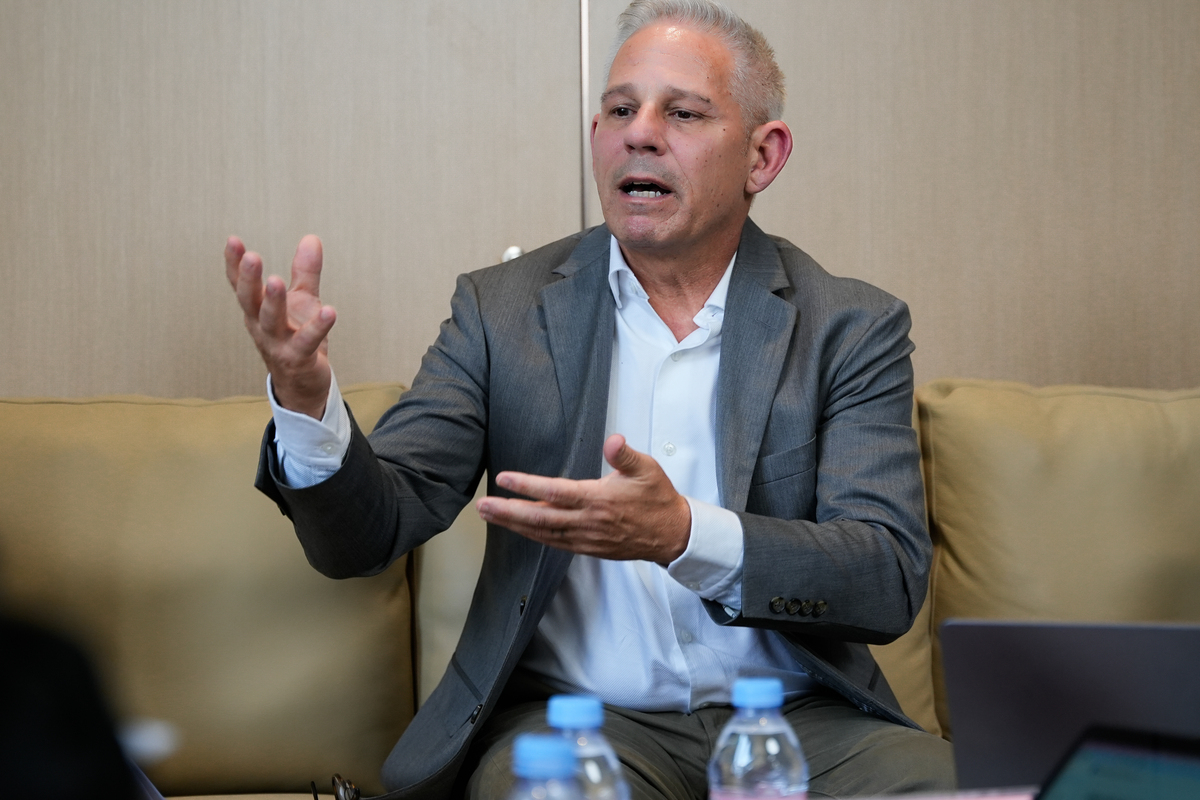
Accorto CSO Dr. Vincent Angelico|Source: 2Firsts
"You have played a vital role in helping companies understand the importance of compliance in the US market."
2Firsts: What role do you think 2Firsts can play and what actions can it promote in helping Chinese companies enter the US market more compliantly and promoting more efficient supervision by the US FDA?
A: I think you are doing a great job. One of the best things you can do is to report truthfully and help companies identify various misinformation in the market. You meet with the right people to help companies realize the importance of compliance and help them understand the direction of the market.
Now is a critical time for companies to start submitting high-quality applications because this round of opportunities will soon end. Maybe one day there will be a notice that companies will no longer be allowed to continue to apply. January 2025 will be a time of major changes. Any e-cigarette company that hopes to enter the US market in January 2025 must start submitting high-quality applications now, otherwise they may face a situation where there is no market share. Therefore, it is critical for companies to understand the upcoming changes and be prepared.
We believe that you play a vital role in helping companies understand the importance of compliance in the US market and how to implement it because you have so many loyal users.