Canadian Convenience Store Association calls for food-grade alcohol licenses for e-cigarette sales
Leave a message
Canadian Convenience Store Association calls for food-grade alcohol licenses for e-cigarette sales
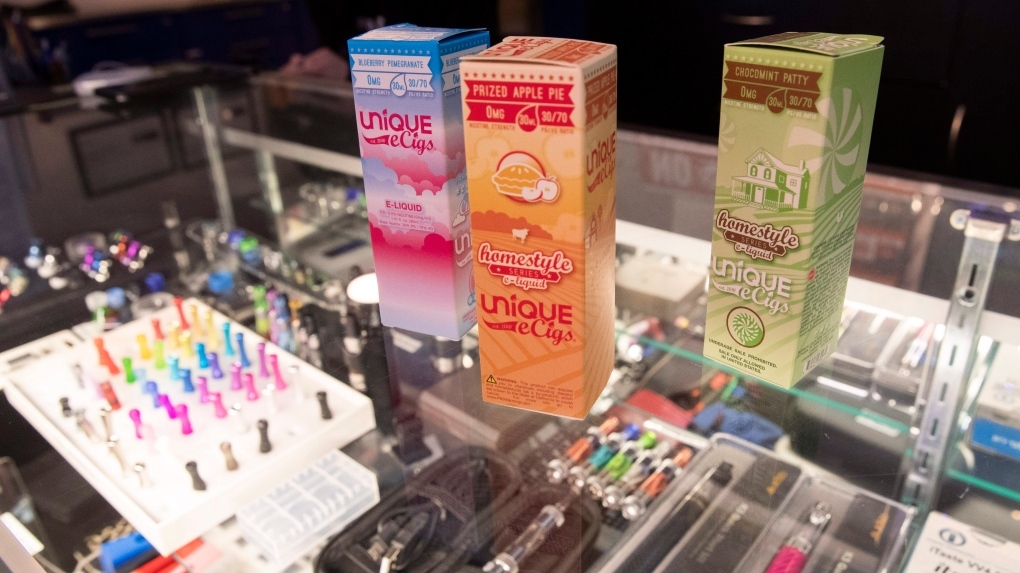
The Convenience Industry Association of Canada (CICC) called on the Quebec government to require e-cigarette sellers to hold food-grade liquor licenses to curb the behavior of some stores circumventing e-cigarette flavor sales regulations.
According to CTV News on August 27, the Convenience Industry Association of Canada (CICC) publicly called on the Quebec government to require all e-cigarette products to be sold with a food-grade liquor license.
The CICC hopes to crack down on some e-cigarette stores that currently circumvent e-cigarette flavor sales regulations through this move.
Since October 31, Quebec has banned the sale of e-cigarette flavored products.
Michel Gadbois, vice president of the association, said,
"There are about 400 e-cigarette stores in Quebec that circumvent regulations by disguising themselves as convenience stores, thereby selling flavored products in the form of food flavors."
According to Gadbois, at least 80% of e-cigarette stores do not comply with regulations, while the violation rate of traditional convenience stores is less than 5%. Due to these circumventions, "we have lost between 2% and 50% of our market share in e-cigarette products, depending on the region."
By making liquor licenses mandatory, the CICC hopes to force these offenders to change their business models and comply with the law.
To obtain a grocery store liquor license, at least 51% of the displayed goods must be food, with a minimum value of $5,500. In addition, the store must undergo a preliminary investigation and inspection by the Regulatory Authority for Alcohol, Gaming and Sports (RACJ).
The CICC believes that liquor licenses can quickly implement relevant regulations without additional costs to the government, and only require simple regulatory amendments.
Gabois said he submitted the proposal to the government six months ago, but nothing has changed.
"We told them: we want to put pressure on the public because you don't seem to be in a hurry to take action."
The CICC said the government knew about the violators but chose not to act.
"There is no prosecution, no follow-up, so there is no punishment."
The media sent questions to the Ministry of Health, but did not receive an immediate response.
The association expressed support when e-cigarette flavors were banned. They had asked the government to keep at least two flavors, mint and fruit. However, Gabois insisted,
"Obviously there should be no flavors like pineapple, cotton candy and bubble gum, because these are meant to attract young people."