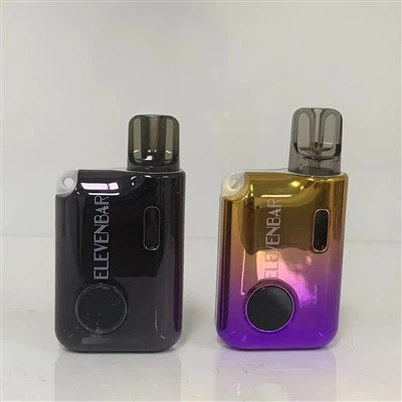
Can I just leave my door open if my room smells like smoke?
Leave a message
The short answer: Yes, you can leave your door open to help air out the smoke smell, but it is often not the most effective strategy on its own and comes with a significant downside.
Here's a detailed breakdown of the pros, cons, and much better methods to combine it with.
The Pros of Leaving Your Door Open
Increases Airflow: Stale, smoky air trapped in a closed room needs to be replaced with fresh air. Opening the door allows for cross-ventilation, especially if you also open a window.
Dissipates the Smell Faster: It helps the concentrated odor disperse into a larger area (like a hallway or the rest of your home), which can make the room itself seem less intense faster.

The Significant Cons (Why You Shouldn't Just Do This)
Spreads the Smell: This is the biggest downside. The smoke odor will travel into your hallway, other rooms, and common areas. If you live with roommates, family, or in an apartment building, this will likely bother others and could even create complaints.
Inefficient for Lingering Smell: Smoke doesn't just linger in the air. It embeds itself into soft surfaces (curtains, carpet, bedding, clothes) and hard surfaces (walls, ceilings). Airing out only addresses the airborne particles, not the source of the lingering smell.
Security and Privacy: Obviously, leaving your door open unattended is a security and privacy risk.
A Much More Effective Strategy: How to Actually Get Rid of the Smoke Smell
Instead of just opening the door, use a combined approach. Here's what to do, from immediate steps to deeper cleaning:
1. Immediate Ventilation (The Right Way)
Open a Window: This is the most crucial step. You need to create a cross-breeze.
Use a Fan: Place a box fan in your window, facing outward, to actively push the smoky air out. If you have a second window or your door, open that to allow fresh air to be pulled in to replace the exhausted air.
Close the Door: While you're actively ventilating outside through a window, keep your door closed. This contains the smell to the one room and makes the fan's job more efficient. You only need to open the door to the rest of the house if there's no window available.
2. Clean All Surfaces
Wash Soft Materials: Immediately wash any clothes, bedding, curtains, and towels that were in the room. Add a cup of white vinegar to the wash cycle to help neutralize odors.
Wipe Hard Surfaces: Wipe down walls, ceilings, furniture, and hard surfaces with a mixture of water and white vinegar or a water-diluted trisodium phosphate (TSP) substitute. Don't forget ceiling fans and light fixtures, as smoke rises.
3. Absorb the Odor
Baking Soda: Place bowls of baking soda around the room, especially on carpets and near fabric furniture. Let it sit for several hours or overnight, then vacuum it up.
Activated Charcoal: Similar to baking soda, activated charcoal bags are excellent at absorbing odors and moisture from the air.
White Vinegar: Bowls of white vinegar left out in the room can help absorb the smell over a day or two.
4. For the Air Itself
Air Purifier: If you have one, run an air purifier with a HEPA filter and activated carbon pre-filter. The HEPA captures smoke particles, and the carbon helps neutralize odors.
Odor Eliminating Sprays: Use sprays like Ozium (follow the directions carefully) or a homemade spray of vinegar and water. Avoid heavy perfumed sprays, as they just mask the smell instead of eliminating it.
Summary: What to Do
Don't just leave your door open. Instead:
Open a window.
Place a fan in the window blowing OUT.
Keep the door CLOSED to prevent the smell from spreading.
Clean all surfaces and wash all fabrics in the room.
Use odor absorbers like baking soda or activated charcoal.
This targeted approach will be far more effective and considerate to those around you.