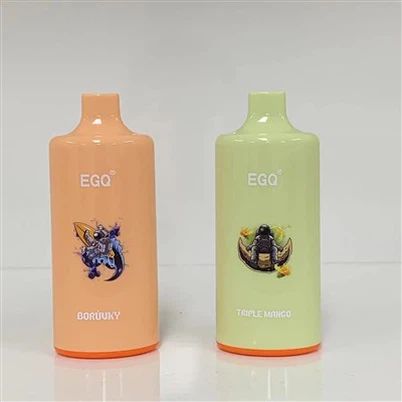
Is it safe to buy a vape online?
Leave a message
Whether it's safe to buy a vape online depends on legal regulations, product authenticity, and sales channels. Based on current global regulations and practices, purchasing vapes online carries significant risks, especially in regions with strict bans. Here's a comprehensive analysis:
⚖️ 1. Legal and Regulatory Risks
Explicit bans in many regions:
In mainland China, Taiwan, Vietnam, and the UK, online sales of e-cigarettes are strictly prohibited. For example, Taiwan's Tobacco Hazards Prevention Act bans all manufacturing, import, sales, and advertising of e-cigarettes.
In Vietnam, sellers evade penalties by using social media for private transactions (e.g., Zalo messaging), making enforcement difficult.
Violations may incur heavy fines (e.g., up to NT$5 million for illegal sales in Taiwan).
Regulatory loopholes:
Some sellers disguise e-cigarettes as "herbal atomizers" or "0-nicotine products" to bypass platform reviews. However, Chinese authorities explicitly classify such products as e-cigarettes, requiring their removal.
Cross-border purchase risks:
Buying from overseas sites (e.g., the U.S.) may lead to customs seizures if products violate local standards (e.g., lack local language warnings).
🧪 2. Product Safety and Authenticity Concerns
Unverified ingredients:
Many online products lack transparent ingredient labeling. Studies show e-cigarettes release formaldehyde, heavy metals, and ultrafine particles, posing risks to the lungs, heart, and brain.
Example: "Fruit-flavored atomizers" popular among teens often contain undisclosed nicotine, despite claims of "0 nicotine".
Counterfeit and non-compliant products:
Platforms like Shopee or PTT have rampant counterfeit sales. These products may use uncertified batteries (risk of explosion) or untested e-liquids.
Misleading marketing:
Sellers promote e-cigarettes as "smoking cessation aids" or "harmless alternatives," contradicting WHO warnings that they are neither safe nor effective for quitting.

🛒 3. Transaction and Platform Risks
Fraud and lack of after-sales service:
Sellers on e-commerce platforms (e.g., Shopee) often require private transactions (e.g., transferring to LINE or Zalo). Buyers risk losing money without recourse for faulty products710.
Some sellers ship different products than advertised (e.g., sending e-cigarettes while listing "atomizers").
Platform accountability gaps:
E-commerce platforms rarely proactively screen suspicious products. Experts call for stricter audits and keyword blocking (e.g., "vape," "pod").
Age verification failures:
Despite claims of "not selling to minors," platforms like Taobao allow underage purchases without verification.
🌍 Regional Regulations Overview
Table: Legality and Enforcement of Online Vape Sales
| Region | Legal Status | Penalties | Enforcement Effectiveness |
|---|---|---|---|
| Mainland China | All online sales banned | Fines up to ¥5 million; platforms accountable | Moderate (evasion via "atomizers") |
| Taiwan | Total ban | Fines up to NT$5 million | Weak (illegal sites proliferate) |
| Vietnam | Banned since 2025 | Proposed fines up to ₫10 million | Low (social media sales rampant) |
| UK | Disposable vapes banned | Retailers fined; illegal imports seized | Moderate (post-ban market gaps) |
| US | B2B sales only (e.g., DEMANDVAPE) | Age verification required (21+) | Strong for consumer platforms |
💡 Safer Alternatives (If Legally Permitted)
Choose B2B specialty platforms:
Opt for sites like DEMANDVAPE (U.S.) that enforce business registration checks and provide detailed health warnings.
Verify certifications:
Ensure products have SGS, CE, or RoHS certifications (e.g., RELX brand).
Avoid social media deals:
Reject transactions via private messaging apps (e.g., LINE, Zalo) to reduce fraud risk.
🚨 Key Takeaways
Avoid online purchases in banned regions: Legal risks and product hazards outweigh convenience.
Prioritize physical stores: Where legal, licensed stores offer traceable products and age verification.
Report illegal sales: Notify platforms or regulators (e.g., 3 cites activists pushing for crackdowns).
In summary, buying vapes online is generally unsafe due to regulatory evasion, product inconsistency, and fraud risks. Always verify local laws and opt for compliant channels if available. For more details, refer to regulatory reports like the Rule of Law Daily16 or WHO advisories.