Are vapes banned in California?
Leave a message
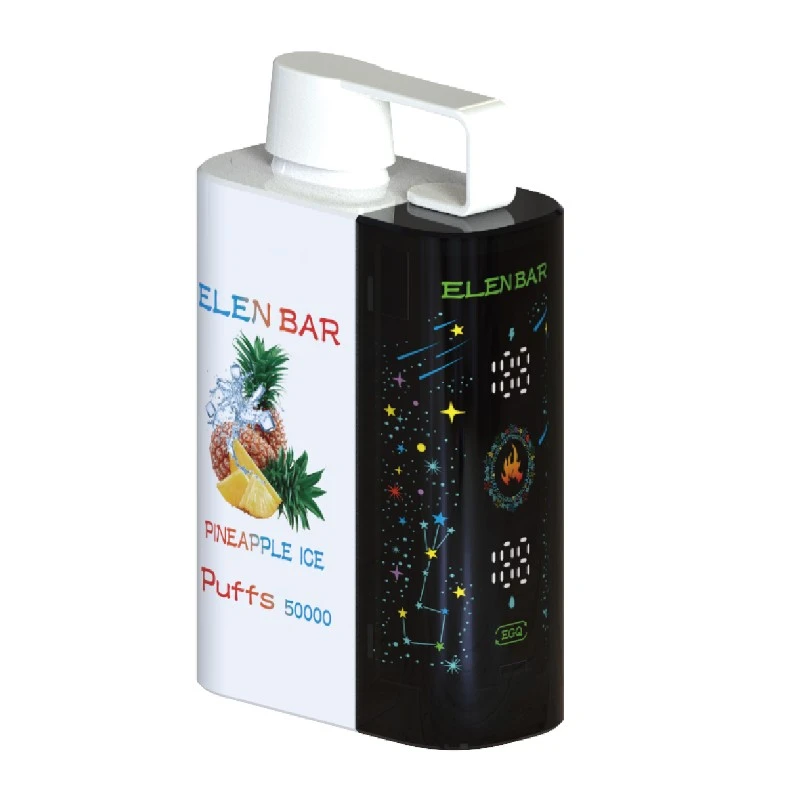
In California, not all electronic cigarettes are banned, but their sales are subject to extremely strict restrictions. In simple terms, what the law prohibits are flavored and disposable electronic cigarettes.
Currently, the electronic cigarette regulations in California are mainly divided into two major parts: the existing ban on flavored electronic cigarettes and the upcoming ban on disposable electronic cigarettes.
Flavored Electronic Cigarettes: Completely Banned
Since December 21, 2022, California has completely banned the sale of almost all flavored electronic cigarette products. The core of this ban is Senate Bill 793 (SB 793), which was confirmed by voters on November 8, 2022.
Coverage: The ban covers all "distinctive flavored" tobacco products, including all non-tobacco flavored electronic cigarette cartridges, cartridges, and disposable products. Whether it is nicotine-containing or nicotine-free flavored electronic cigarettes, they are all included in the ban.
Main purpose: This law aims to reduce the appeal of electronic cigarettes to teenagers, as flavors such as fruits and candies are one of the main reasons that attract young people to try electronic cigarettes.
♻️ Disposable Electronic Cigarettes: Soon to be Banned
The California legislature has passed a new bill - Assembly Bill 762 (AB 762) - in August 2026, aiming to ban disposable electronic cigarettes.
Legislative reason: Mainly for environmental considerations. Disposable electronic cigarettes contain lithium-ion batteries and heavy metals, and when discarded randomly, they become toxic waste, polluting the environment and posing fire hazards. According to statistics, 500,000 disposable electronic cigarettes are discarded in the United States every day.
Legal requirements: According to this bill, from January 1, 2028, electronic cigarette devices legally sold in California must simultaneously meet two conditions: refillable (or using replaceable cartridges) and rechargeable batteries.
Implementation schedule:
January 1, 2027: Disposable electronic cigarettes will be banned from being imported and manufactured in California.
January 1, 2028: The sale of any disposable electronic cigarettes that do not meet the "refillable + rechargeable" standard will be completely prohibited.
Exemptions and penalties: This ban does not apply to disposable electronic cigarettes containing cannabis (Cannabis) components. Violators may face a fine of $500.
What conditions must an electronic cigarette product meet to be legally sold in California?
Overall, in California, an electronic cigarette product must meet the following conditions to be legally sold:
Flavor: Must be flavorless or tobacco flavor.
Design: Must be reusable, i.e., refillable cartridges or use replaceable cartridges, and the battery must be rechargeable.
This means that devices like JUUL, which have replaceable cartridges and rechargeable batteries, can still be legally sold as long as their cartridges are tobacco flavor or flavorless.
⚠️ Other important regulations and current situation
Purchase age: You must be 21 years old or older to purchase any electronic cigarette product.
Enforcement strengthening: California is strengthening enforcement through measures such as establishing a "flavorless tobacco product list". However, illegal flavored electronic cigarettes are still available on the market. It is reported that as of May 2025, they still accounted for 31.3% of the total sales of electronic cigarettes.
User and industry perspectives: Some opinions suggest that strict bans may backfire. For example, a study found that after the implementation of the flavored electronic cigarette ban in San Francisco, the probability of local high school students smoking traditional cigarettes increased by more than double. At the same time, the electronic cigarette industry believes that vaping products are an effective tool for helping adults quit smoking, and the ban will deprive smokers of their choices.
Summary
So, California's electronic cigarette policy is not a "one-size-fits-all" complete ban, but rather builds a very strict regulatory system through the two core regulations of "ban on flavors" and "ban on disposables". Its aim is to protect teenagers from temptation and reduce environmental pollution, but this has also sparked a continuous debate about "mitigation" and "individual choice".