Africa's e-cigarette problem is serious, Nigeria and Burkina Faso lack solutions
Leave a message
Africa's e-cigarette problem is serious, Nigeria and Burkina Faso lack solutions
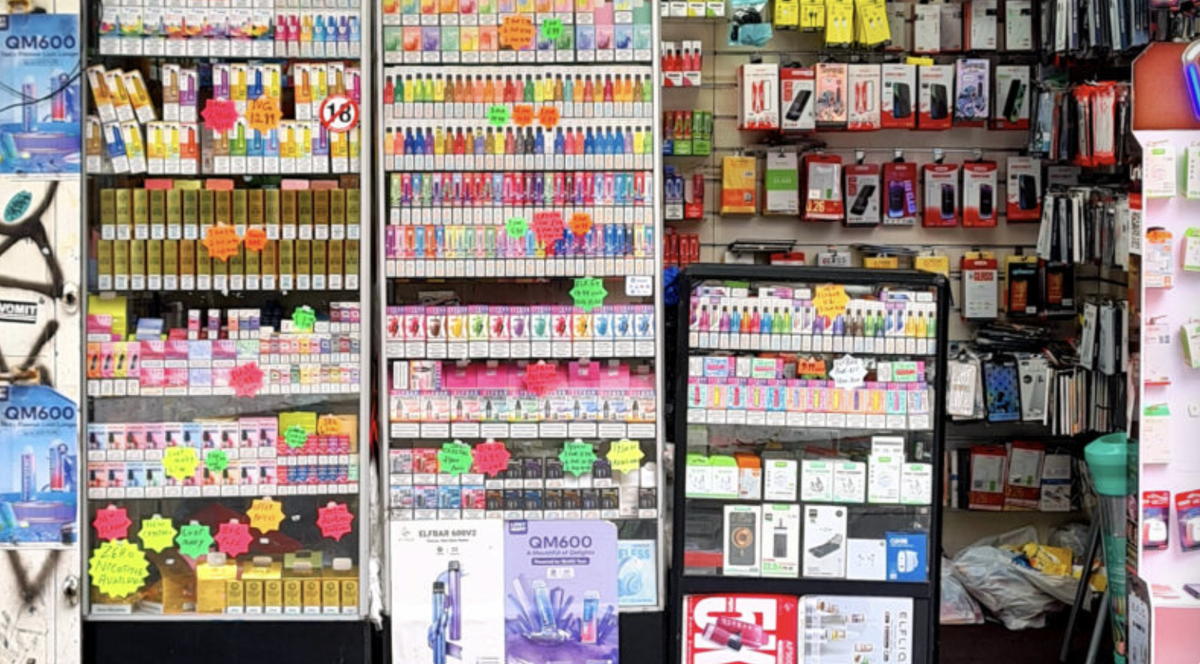
E-cigarettes have flooded the African market. Due to the lack of e-cigarette waste disposal plans, disposable e-cigarettes are randomly discarded in public places and sometimes even thrown into rivers, affecting the environment. Although Nigeria and Burkina Faso prohibit the use of tobacco products by teenagers under the age of 18, the tobacco laws in these countries do not explicitly mention or regulate the use of e-cigarettes.
According to GlobalVoices on August 8, e-cigarettes have flooded the African market, especially in Nigeria and Burkina Faso, but the two governments have not formulated appropriate e-cigarette waste disposal plans.
E-cigarette products are flooding the markets in these countries, widely sold in supermarkets and local stores, and some are even sold online through WhatsApp groups in schools.
E-cigarette products contain 2% to 5% nicotine, which is already a high nicotine content. Due to the lack of e-cigarette waste disposal plans, disposable e-cigarettes are randomly discarded in public places and sometimes even thrown into rivers, affecting the environment.
Studies have shown that e-cigarette aerosols contain carcinogens such as formaldehyde and acetaldehyde, and some flavors of e-cigarette oils may be toxic to lung cells and may interfere with the immune system.
In 2019, an epidemic of e-cigarette use-associated lung injury (EVALI) occurred in the United States, resulting in many hospitalizations and deaths. Illegally manufactured hydrocarbons and vitamin E acetate in e-cigarettes are believed to be the main causes of the disease.
Many African parents are not familiar with e-cigarettes, so when their children start using these products, they are unable to know the harm.
Although Nigeria and Burkina Faso prohibit the use of tobacco products by teenagers under 18, the tobacco laws in these countries do not explicitly mention or regulate the use of e-cigarettes.
The damage of e-cigarettes to the environment includes air and water pollution: nicotine and other toxins easily dissolve in water and are harmful to fish and biodiversity. The damage of e-cigarettes to the human body includes irritation of the throat and mouth, coughing, runny nose and respiratory infections.
The European Union has strict regulations on e-cigarettes, including nicotine content limits, product registration and ingredient information disclosure, and restrictions on sales and advertising to minors.
In 2015, former Nigerian President Goodluck Jonathan signed a national tobacco control law, but the law has not been effectively implemented. In early 2024, ACONTA, a civil society organization in Burkina Faso, discussed with the Ministry of Health the strengthening of anti-tobacco legislation, including the inclusion of emerging products such as e-cigarettes in legislation.
Akinbode Oluwafemi, executive director of the African Accountability and Partnership Organization (CAPPA), stressed the need for the Nigerian government to protect people, especially children, from the dangers of e-cigarettes and advocated for the implementation of strict tobacco laws.