5 vaping facts you need to know?
Leave a message
Based on reliable sources, here are five crucial facts you should know about vaping, covering its health impacts, effectiveness for quitting smoking, and regulatory status.

🚬 What is Vaping?
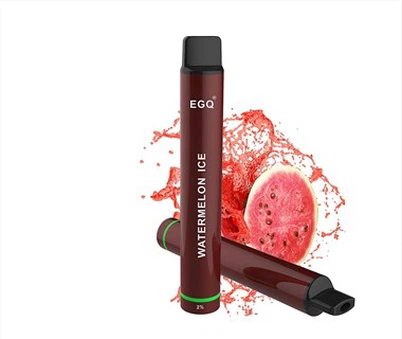
An electronic cigarette (e-cigarette) is a device that uses a battery to heat a liquid (often called e-liquid or vape juice) into an aerosol that the user inhales . This e-liquid typically contains nicotine, flavorings, and other chemicals .
📜 5 Key Facts About Vaping
🚨 Vaping is Harmful to Health
E-cigarettes are not safe. The aerosol they produce contains a variety of harmful substances, including nicotine, formaldehyde, acetaldehyde, heavy metals, and tobacco-specific nitrosamines (a known carcinogen) . Using e-cigarettes increases the risk of respiratory diseases like chronic obstructive pulmonary disease (COPD) and asthma, cardiovascular diseases, and certain cancers . There have also been outbreaks of severe lung injury, known as EVALI (e-cigarette or vaping product use-associated lung injury), linked to vaping .
🧠 Vaping is Addictive and a Gateway for Youth
Most e-cigarettes contain nicotine, a highly addictive substance . Research indicates that nicotine can be as addictive as heroin and cocaine . For young people, whose brains are still developing, nicotine can cause lasting cognitive and behavioral problems, including issues with attention, memory, and control of impulses . Furthermore, studies show that non-smoking youth who use e-cigarettes are 2 to 4 times more likely to start smoking traditional cigarettes in the future, a phenomenon known as the "gateway effect" .
❌ Vaping is Not a Proven Method for Quitting Smoking
Despite being marketed as a tool to help smokers quit, e-cigarettes are not approved by health authorities like the World Health Organization (WHO) as a smoking cessation aid . There is insufficient evidence to prove they are effective for long-term quitting . Often, smokers who take up vaping end up as "dual users," continuing to smoke traditional cigarettes while also using e-cigarettes, thereby increasing their exposure to harmful substances .
😷 Vaping Produces Secondhand and Thirdhand Aerosol
Like traditional smoking, vaping exposes those around you to secondhand aerosol . This aerosol is not "just water vapor" and contains nicotine, formaldehyde, and other toxins . These harmful substances can also settle on dust and surfaces like furniture and clothing, creating "thirdhand" exposure that persists long after vaping has ended .
🌐 Vaping is Banned in Many Regions
To protect public health, particularly that of young people, many governments have implemented strict regulations on e-cigarettes. As of the information available, regions including Singapore, Brazil, India, Thailand, and Hong Kong have banned the import, sale, and possession of electronic cigarettes . In Taiwan, the manufacture, import, and sale of e-cigarettes are also prohibited, with violations facing significant fines .
💡 How to Seek Help to Quit
If you or someone you know is considering quitting smoking, it is safer and more effective to use scientifically recognized methods rather than turning to e-cigarettes. You can:
Consult a Doctor or Pharmacist: Seek professional help from healthcare providers .
Use Approved Methods: Methods such as nicotine replacement therapy (NRT) like patches or gum, and behavioral counseling, have proven safety and effectiveness records .
I hope this information helps you make a well-informed decision about your health. Should you have more questions on this topic, feel free to ask.